
Understanding Indio’s Extreme Summer Heat
Indio’s summers are not for the faint of heart. Located in the Coachella Valley, one of the hottest regions in California, Indio experiences temperatures that regularly exceed 110°F, with peak temperatures sometimes reaching 120°F or higher. The combination of intense heat, low humidity, and intense UV radiation creates a challenging environment that demands respect and preparation.
Unlike coastal California cities where summer heat is moderated by ocean breezes, Indio’s desert location means there’s no natural cooling mechanism. The sun beats down relentlessly from a cloudless sky, and the ground itself becomes a heat radiator, reflecting and amplifying the sun’s energy. For those unaccustomed to desert heat, the experience can be shocking and potentially dangerous.
However, with proper knowledge and preparation, summer in Indio can be not just survivable, but enjoyable. Many long-time residents and desert enthusiasts have developed strategies and lifestyle adaptations that allow them to thrive even during the hottest months. This guide shares those strategies with you.
The Science of Desert Heat and Your Body
To survive desert heat effectively, it helps to understand how heat affects your body. Your body maintains a core temperature of approximately 98.6°F through a process called thermoregulation. When external temperatures exceed your body temperature, your body must work harder to cool itself, primarily through perspiration.
Heat Exhaustion vs. Heat Stroke
Heat exhaustion occurs when your body loses too much water and salt through perspiration. Symptoms include heavy sweating, weakness, dizziness, nausea, and headache. Heat exhaustion is serious but treatable — move to a cool location, drink water, and rest.
Heat stroke is a medical emergency that occurs when your body’s core temperature rises above 104°F. Symptoms include confusion, loss of consciousness, hot and dry skin (not sweating), and rapid pulse. Heat stroke requires immediate medical attention.
Dehydration: The Silent Danger
In dry desert air, perspiration evaporates so quickly that you may not realize how much fluid you’re losing. This can lead to dehydration before you feel thirsty. Thirst is a late indicator of dehydration — by the time you feel thirsty, you’re already dehydrated.
Hydration Strategy: The Foundation of Heat Survival
Proper hydration is the single most important factor in surviving desert heat. This goes beyond just drinking water when you’re thirsty.
How Much Water Do You Need?
In Indio’s summer heat, most people need 3–4 liters of water daily for basic hydration, more if you’re active. The exact amount depends on your body size, activity level, and individual physiology. A general rule is to drink enough so that your urine is pale yellow, not dark.
Hydration Schedule
Rather than waiting until you’re thirsty, establish a hydration schedule. Drink 200–300 ml (7–10 oz) of water every 15–20 minutes throughout the day. This consistent intake prevents the dramatic fluid losses that lead to dehydration.
Electrolyte Balance
Drinking only water can actually be counterproductive if you’re sweating heavily. Sweat contains electrolytes — primarily sodium and potassium — that your body needs. Drinking only water dilutes your blood’s electrolyte concentration, which can lead to hyponatremia (dangerously low sodium levels).
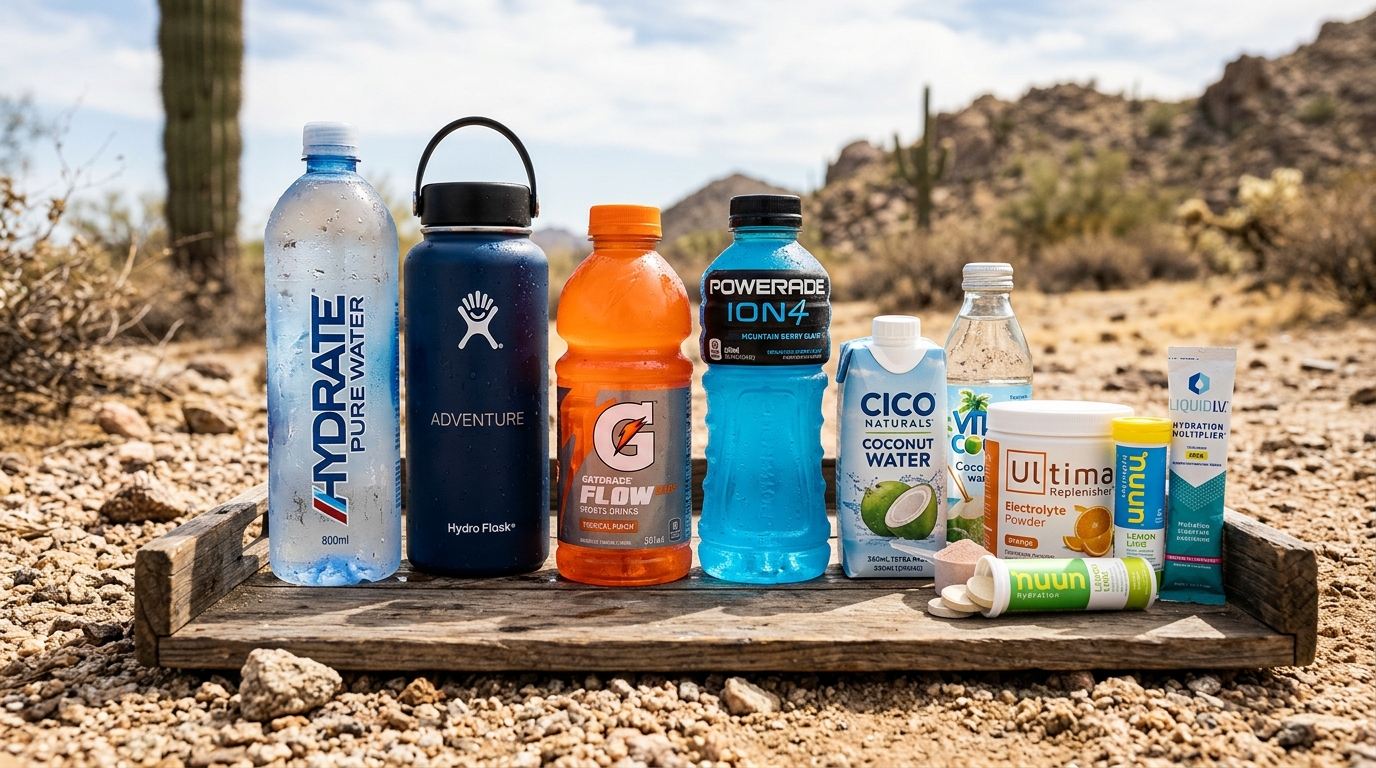
Include electrolyte-containing beverages in your hydration strategy. Sports drinks, coconut water, or electrolyte supplements help maintain proper mineral balance. A simple homemade option is to mix water with a pinch of salt and a small amount of sugar or fruit juice.
Home Cooling Strategies
Your home is your refuge from the heat. Proper home cooling is essential for health and comfort.
Air Conditioning Maintenance
If you have air conditioning, maintain it properly. Clean or replace filters monthly during summer. Have your system serviced annually by a professional. A well-maintained AC system is more efficient and uses less electricity.
Set your thermostat to a comfortable temperature — typically 76–78°F. Each degree lower increases energy consumption significantly. Use a programmable thermostat to adjust temperature when you’re away or sleeping.
Passive Cooling Techniques
Even with AC, you can reduce cooling costs and improve comfort through passive cooling:
- Window treatments: Use reflective or thermal-blocking curtains to prevent heat from entering through windows. Close curtains during the day, open them at night.
- Ventilation: Open windows early in the morning and late at night when outdoor temperatures are cooler. Close them during the day to trap cool air inside.
- Shade: Plant trees or install shade structures outside windows to block direct sunlight. Even deciduous trees that provide shade in summer but allow sunlight in winter are ideal.
- Insulation: Ensure your home is properly insulated. Good insulation keeps cool air in and hot air out.
Nighttime Cooling
Nights in Indio can still be warm, but they’re significantly cooler than days. Take advantage of this. Use fans to circulate air. Sleep with lightweight bedding. Some people find that taking a cool shower before bed helps them sleep better.
Outdoor Activity Guidelines
Spending time outdoors in extreme heat requires careful planning and precautions.
Timing Is Everything
Avoid outdoor activity during peak heat hours, typically 11 AM to 4 PM. If you must be outside during these hours, limit activity and take frequent breaks in shade or air conditioning.
Early morning (before 9 AM) and evening (after 6 PM) are ideal times for outdoor activities. These times offer significantly cooler temperatures while still providing daylight.
Clothing and Sun Protection
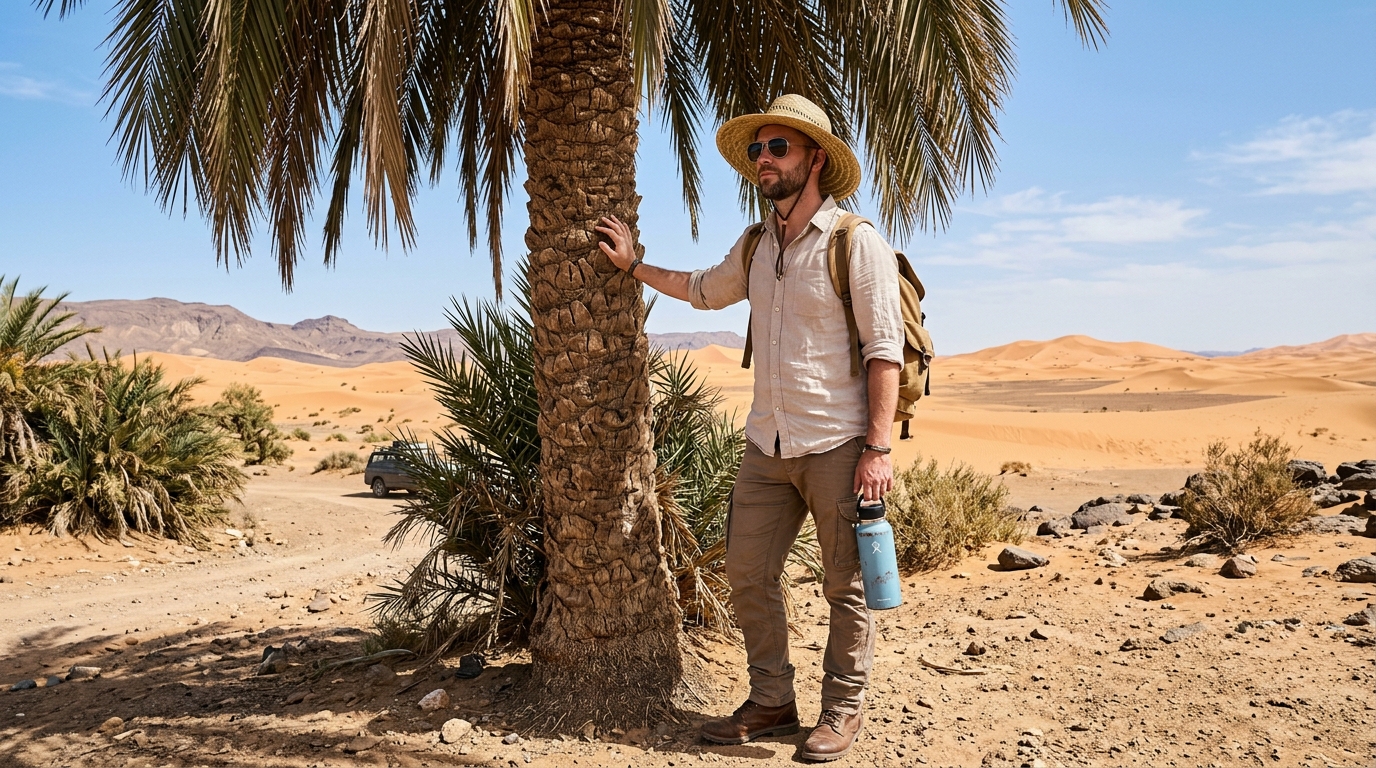
Wear light-colored, loose-fitting, breathable clothing made from natural fibers like cotton or linen. Light colors reflect heat; loose fits allow air circulation. Avoid dark colors and tight clothing that trap heat.
Wear a wide-brimmed hat and UV-blocking sunglasses. Apply sunscreen with SPF 30 or higher, and reapply every 2 hours if you’re sweating. Sunburn impairs your body’s ability to cool itself.
Activity Intensity
Reduce the intensity of outdoor activities during summer. A leisurely walk is fine; running a marathon in 115°F heat is dangerous. Listen to your body — if you feel dizzy, nauseous, or unusually tired, stop activity and move to a cool location.
Nutrition for Desert Heat
What you eat affects how your body handles heat.
Light, Frequent Meals
Eat light, frequent meals rather than heavy meals. Digestion generates heat, so large meals can make you feel hotter. Smaller meals throughout the day are easier on your digestive system and help maintain energy levels.
Hydrating Foods
Include water-rich foods in your diet: watermelon, cantaloupe, cucumbers, lettuce, and tomatoes. These foods contribute to your overall hydration while providing nutrients and fiber.
Avoid Excessive Caffeine and Alcohol
Both caffeine and alcohol increase dehydration. While you don’t need to eliminate them entirely, moderate your consumption during hot months. If you do consume these beverages, increase your water intake accordingly.
Health Monitoring and Warning Signs
Knowing the warning signs of heat-related illness can be lifesaving.
Heat Exhaustion Symptoms
- Heavy sweating
- Weakness or fatigue
- Dizziness or lightheadedness
- Nausea or vomiting
- Headache
- Muscle cramps
If you experience these symptoms, move to a cool location, drink water, and rest. Use cool, damp cloths on your skin. Seek medical attention if symptoms don’t improve.
Heat Stroke Symptoms
- High body temperature (above 104°F)
- Confusion or disorientation
- Loss of consciousness
- Hot, red, dry skin (not sweating)
- Rapid, strong pulse
- Seizures
Heat stroke is a medical emergency. Call 911 immediately. Move to a cool location and apply cool water or ice to the skin while waiting for emergency services.
Special Populations: Extra Precautions
Certain groups are at higher risk during extreme heat:
Elderly Individuals
Older adults have reduced ability to regulate body temperature and may not feel thirst as acutely. They should drink water regularly even if not thirsty, stay in air-conditioned environments during peak heat, and check in with family or friends daily.
Children
Young children have difficulty regulating body temperature. Never leave children in parked cars, even briefly. Ensure children drink water regularly and take frequent breaks from outdoor activity.
People with Medical Conditions
Those with heart disease, diabetes, or other chronic conditions should consult their healthcare provider about heat safety. Some medications affect heat tolerance.
Pregnant Women
Pregnancy increases heat sensitivity. Pregnant women should take extra precautions: stay hydrated, avoid peak heat hours, wear appropriate clothing, and consult their healthcare provider about heat safety.
Community Resources for Heat Relief
Indio and the surrounding Coachella Valley offer resources for those struggling with extreme heat:
Cooling Centers
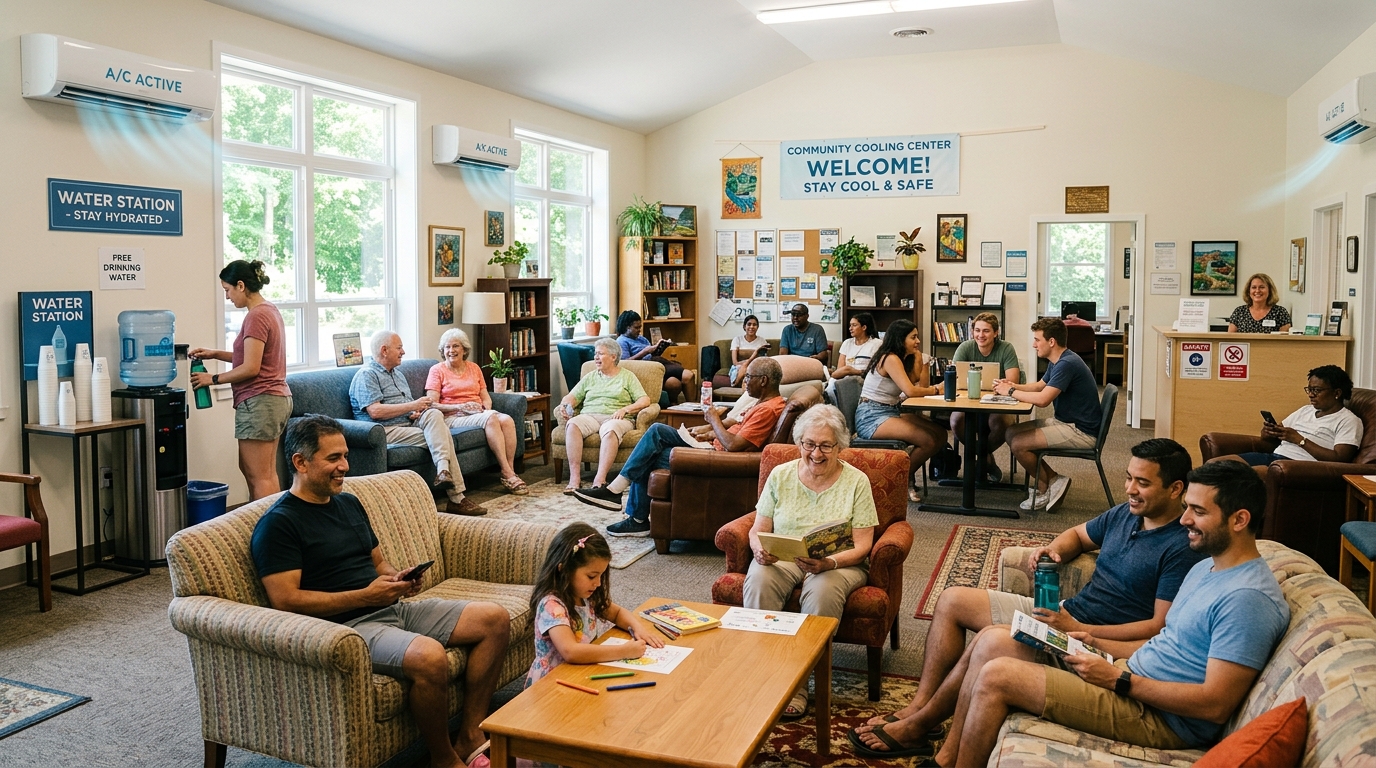
During extreme heat events, the city of Indio opens cooling centers where residents can go to escape the heat. These facilities provide air conditioning, water, and sometimes light refreshments. Check with the City of Indio for locations and hours during heat emergencies.
Public Pools and Water Parks
Public swimming pools and water parks offer both recreation and cooling. Many are open during summer months and provide an enjoyable way to cool off while getting exercise.
Libraries and Public Buildings
Public libraries, community centers, and government buildings offer air-conditioned spaces where you can spend time during peak heat hours.
Mental Health and Heat
Extreme heat doesn’t just affect physical health — it impacts mental health too. The stress of dealing with oppressive heat, combined with reduced outdoor activity, can lead to mood changes and increased anxiety.
Combat this by maintaining social connections, even if activities must move indoors. Spend time with friends and family in air-conditioned environments. Maintain routines and engage in activities you enjoy. If you experience significant mood changes or anxiety, don’t hesitate to seek professional support.
Conclusion: Thriving in the Desert
Indio’s summer heat is intense, but it’s survivable and manageable with proper preparation and knowledge. Stay hydrated, protect yourself from the sun, maintain a cool home, and listen to your body. Respect the desert’s power, but don’t fear it.
Many people thrive during Indio’s summer months by adapting their lifestyle to the heat. Early morning activities, evening social gatherings, and indoor recreation become the norm. The summer season offers its own unique beauty — stunning sunsets, clear skies, and a slower pace of life.
By following these guidelines and taking heat seriously, you can not only survive Indio’s desert heat but truly enjoy the unique experience of summer in one of California’s hottest regions.