
Understanding the Indio Hills Badlands Trail
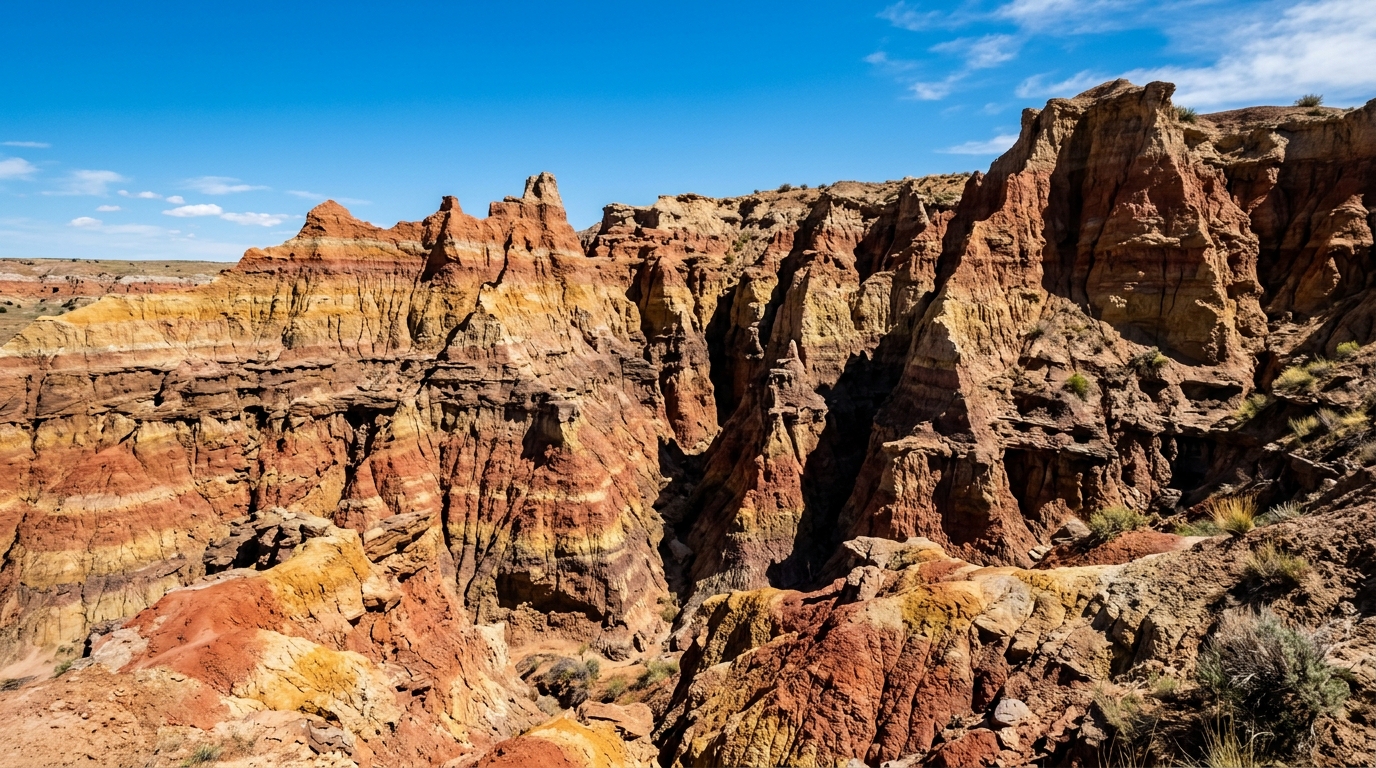
The Indio Hills Badlands Trail is one of the most spectacular and underrated hiking destinations in Southern California. This 5-mile loop trail winds through dramatic eroded clay formations that resemble the badlands of Utah, complete with hoodoos, colorful geological layers, and sweeping desert vistas. Located just minutes from downtown Indio, the trail offers an otherworldly desert experience that few visitors to the area discover.
However, hiking the Badlands Trail is not a year-round activity with equal appeal. The desert’s extreme temperature variations, seasonal water availability, and changing trail conditions mean that timing is everything. Understanding when to hike this trail can mean the difference between an unforgettable adventure and a miserable, potentially dangerous experience.
Peak Season: November Through April
Without question, the best time to hike the Indio Hills Badlands Trail is during the cooler months of November through April. This is when conditions are optimal for desert hiking, and the trail experiences its highest traffic from both locals and visitors.
November & December: Early Cool Season
November marks the beginning of ideal hiking season in the Coachella Valley. Daytime temperatures typically range from 70–80°F, with cool mornings around 50–60°F. The summer heat has finally broken, and the intense sun of spring hasn’t yet returned. These months offer comfortable hiking conditions and generally clear skies.
December brings even cooler temperatures, with daytime highs around 65–75°F and mornings often dipping to 45–55°F. This is when you might encounter frost on rocks early in the morning, adding a magical quality to the landscape. December is also less crowded than January and February, making it an excellent choice if you prefer solitude.
January & February: Peak Hiking Season
January and February are the absolute peak months for hiking the Badlands Trail. Temperatures are coolest, ranging from 60–70°F during the day and 40–50°F in the morning. The weather is generally stable and predictable, with low humidity and minimal rainfall. These months attract the most hikers, so expect to encounter other trail users, especially on weekends.
The advantage of hiking during peak season is that the trail is well-maintained, and you’ll have company if anything goes wrong. The disadvantage is crowding — popular sections of the trail can feel busy, especially on Saturday and Sunday mornings.
March & April: Spring Transition
March and April represent the tail end of ideal hiking season. Daytime temperatures begin to rise, ranging from 75–85°F, and the sun becomes noticeably stronger. However, these months are still very hikeable, and they offer the advantage of fewer crowds than January and February.
April is particularly beautiful because desert wildflowers often bloom during this time, adding splashes of color to the landscape. If you can tolerate slightly warmer temperatures, April offers an excellent balance of comfortable conditions and solitude.
Shoulder Season: May & October
May and October represent the shoulder seasons — months when hiking is still possible but conditions become more challenging. These months require more preparation and caution than the peak season.
May: Spring Heat Arrives
May marks the beginning of the desert’s transition to extreme heat. Daytime temperatures range from 85–95°F, with some days exceeding 100°F. The sun is intense and unforgiving, and the trail offers minimal shade. Water becomes a critical concern, as the desert dries out rapidly.
If you choose to hike in May, start very early — ideally before sunrise — and bring significantly more water than you would in winter. Plan to complete your hike by mid-morning when temperatures peak. Consider bringing electrolyte supplements and sun protection gear. Many experienced desert hikers avoid May entirely and wait until October.
October: Fall Heat Lingers
October is the mirror image of May. Summer heat lingers, with daytime temperatures ranging from 80–90°F. The trail is drier than in May, but water is still a concern. The advantage of October is that it marks the beginning of the cooling trend, and by late October, temperatures begin to drop noticeably.
October is more hikeable than May, but still requires caution. Start early, bring plenty of water, and be prepared to turn back if conditions become too hot or if you’re not feeling well.
Off-Season: June Through September
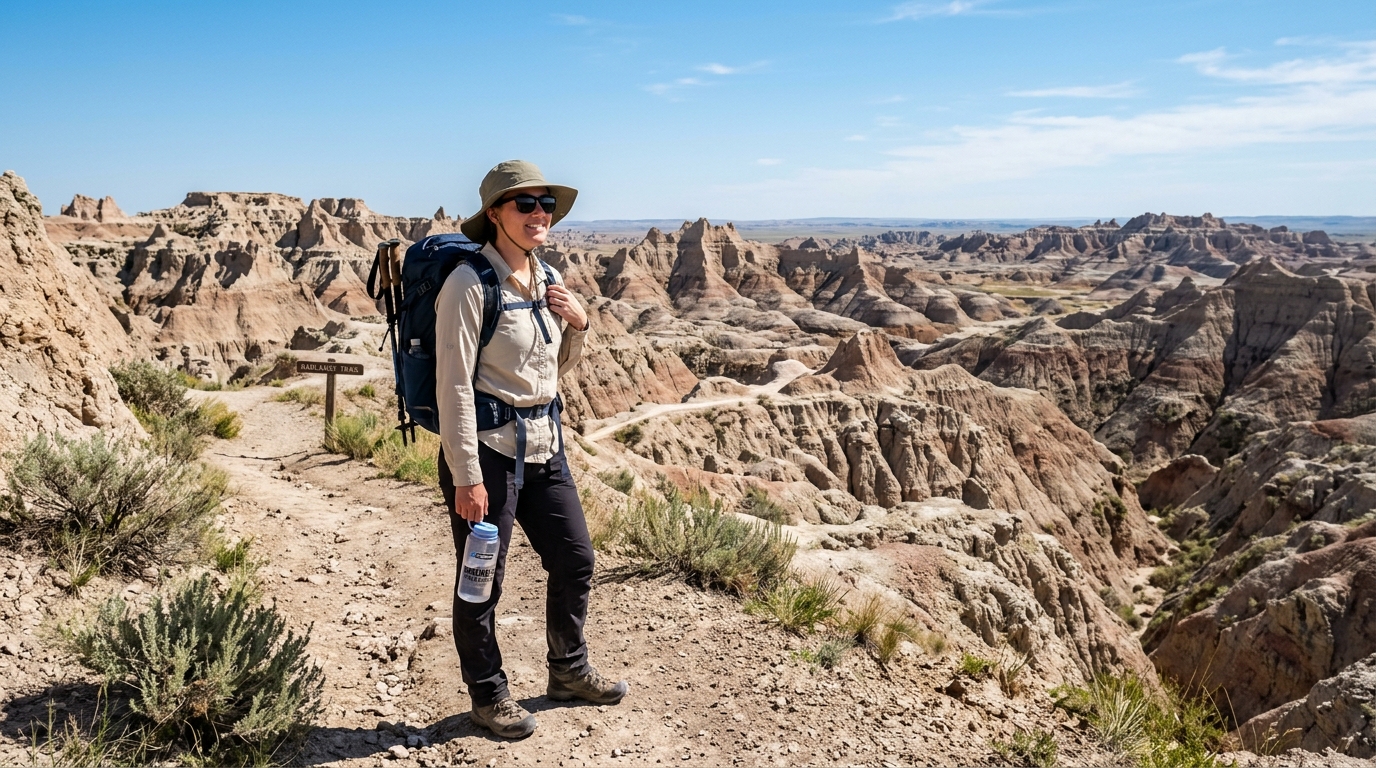
The months of June through September are generally not recommended for hiking the Badlands Trail. This is when the Coachella Valley experiences its most extreme heat, with temperatures regularly exceeding 110–120°F. The sun is relentless, shade is nonexistent, and the risk of heat exhaustion or heat stroke is significant.
Why Avoid Summer Hiking
During summer months, the desert floor can reach temperatures of 140°F or higher. Even experienced desert hikers avoid this season. The combination of extreme heat, intense UV radiation, and minimal water sources makes summer hiking on the Badlands Trail dangerous and unpleasant.
If you’re visiting Indio during summer, consider indoor activities or hikes in higher elevations where temperatures are cooler. The Badlands Trail will be waiting for you when conditions improve in fall.
Water Availability and Hydration Strategy
Water is the most critical factor in planning a Badlands Trail hike. The trail itself has no water sources, so you must carry all the water you’ll need.
Winter Water Requirements
During the cool months (November–April), plan for 2–3 liters of water for the 5-mile loop. This assumes a moderate pace and normal exertion. If you’re hiking slowly or taking many breaks, bring extra water.
Shoulder Season Water Requirements
During May and October, increase your water intake to 3–4 liters. The increased heat means your body will lose water faster through perspiration. Consider bringing electrolyte supplements or sports drinks to replace lost minerals.
General Hydration Tips
Drink water consistently throughout your hike, not just when you’re thirsty. Thirst is a late indicator of dehydration. Drink 200–300 ml (7–10 oz) of water every 15–20 minutes during your hike. Avoid caffeine and alcohol before and during your hike, as these increase dehydration.
What to Bring for Each Season
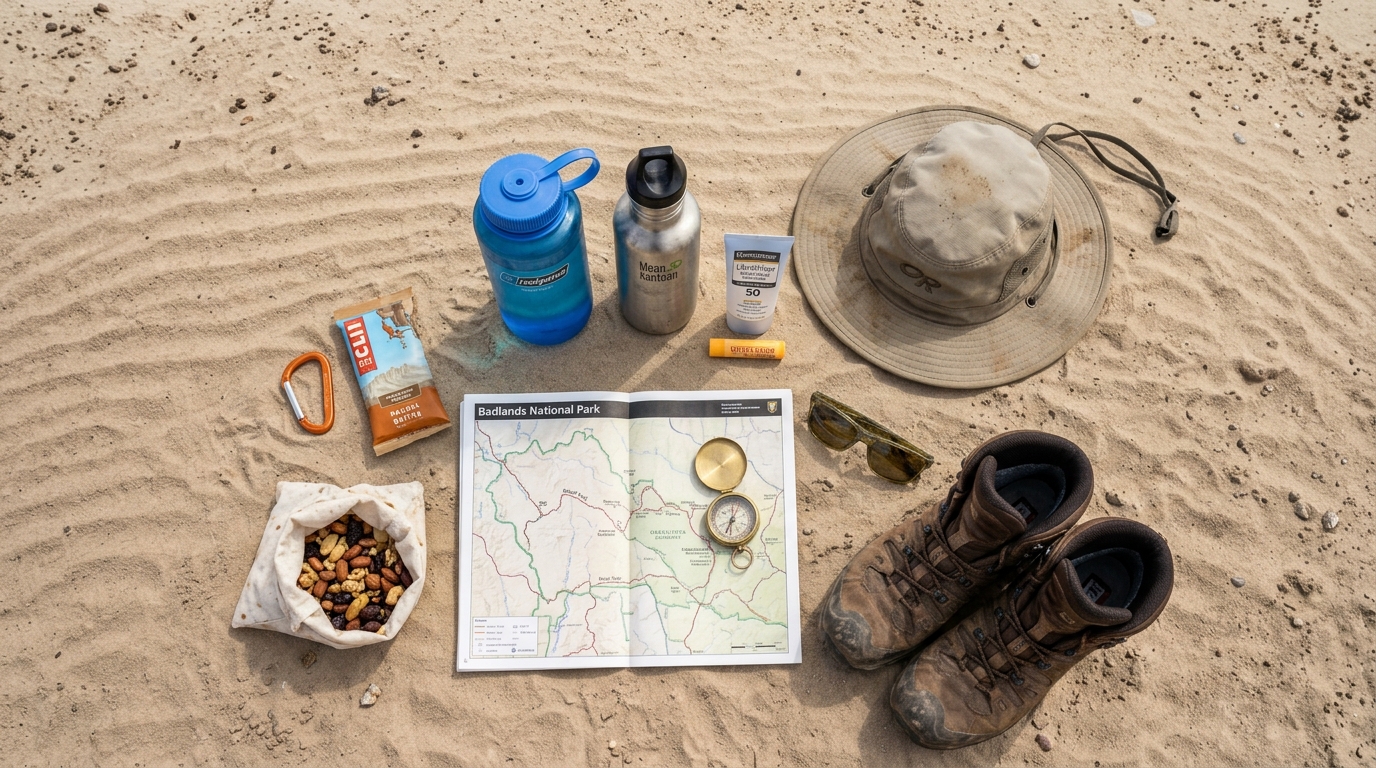
Winter Essentials (November–April)
- 2–3 liters of water
- Layered clothing (it’s cool in the morning, warmer midday)
- Hat and sunglasses
- Sunscreen (SPF 30+)
- Sturdy hiking boots with good ankle support
- Trail snacks (energy bars, nuts, fruit)
- First aid kit
- Map or GPS device
Spring/Fall Essentials (May, October)
Add to winter essentials:
- 4–5 liters of water (or hydration system)
- Electrolyte supplements
- Light-colored, long-sleeve shirt (sun protection)
- Extra sunscreen
- Cooling towel or bandana
Trail Conditions by Season
Beyond temperature, trail conditions vary significantly by season.
Winter Trail Conditions
Winter trails are generally in excellent condition. Recent rains may have washed out small sections, but major washouts are rare. The clay soil is firm and stable. Occasional frost or ice on rocks early in the morning requires careful footing, but this is usually not a major hazard.
Spring Trail Conditions
Spring rains (typically March–April) can cause temporary washouts or muddy sections. After heavy rain, some sections may be impassable. Check current trail conditions before heading out in spring.
Summer Trail Conditions
Summer heat bakes the clay soil hard and brittle. The trail becomes dusty and can be difficult to follow in some sections. Flash flood risk increases during monsoon season (August–September), though the Badlands Trail itself is not prone to flooding.
Fall Trail Conditions
Fall trails are generally in good condition. Summer heat has packed the soil firm, and fall rains haven’t yet begun. Trail visibility is excellent.
Planning Your Badlands Trail Hike
For a comprehensive guide to hiking the Badlands Trail, including detailed directions, difficulty assessment, and what to expect, check out our complete guide to the Indio Hills Badlands Trail.
The best time to hike is ultimately when conditions align with your fitness level, experience, and preferences. But if you want the optimal experience — comfortable temperatures, stable weather, and beautiful conditions — plan your visit for November through April. Your body will thank you, and you’ll have a hiking experience you’ll never forget.
Final Recommendations
Start your Badlands adventure in November or December if you prefer fewer crowds, or January through March if you don’t mind company. Bring plenty of water, wear sun protection, and respect the desert’s power. The Indio Hills Badlands Trail is a remarkable natural wonder, and with proper planning and timing, it will provide one of the most memorable desert hiking experiences of your life.